
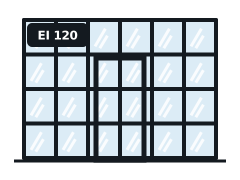
up to EI 120
Steel Fire-Rated Screens
Slim steel frames for long spans, high ratings and heavy glass.
Learn more →From the E11 district outwards, we arrange fire-rated glazed screens for buildings across Leytonstone, matching glass, frames and seals to tested evidence rather than guesswork.
Tell us what you need. We reply with next steps and a guide price.
We design, supply and install fire-rated screens in steel, aluminium, timber and frameless formats, working from the rating and positions on your fire strategy. Every screen is built within the limits of its test or assessment evidence: pane sizes, transom and mullion spacing, glass type and the way it is fixed to the surrounding structure.
Fire glass can be combined with acoustic or security performance in many systems. We confirm the combined build-up is covered before pricing it.
A door in a glazed screen has to be tested in that configuration or covered by a doorset certificate and an assessment for the screen. We specify the door and screen as one system rather than mixing products.
Long screens under slabs need deflection heads so floor movement does not crack the glass or open gaps. The head detail has to come from the same evidence as the rest of the screen.
Building work in England is covered by the Building Regulations 2010, with fire safety guidance in Approved Document B and impact safety guidance for glazing in Approved Document K.
Once a building is in use, the Regulatory Reform (Fire Safety) Order 2005 requires the responsible person to maintain fire safety measures, including fire-resisting glazing. The Fire Safety (England) Regulations 2022 add duties for multi-occupied residential buildings, including fire door checks in buildings over 11 metres.
In higher-risk buildings, broadly 18 metres or seven storeys with two or more homes, the Building Safety Regulator is the building control authority. England is also phasing out BS 476 references from Approved Document B, with the remaining fire-resistance references due to go in September 2029.
Our Greater London coverage takes in Leytonstone (E11, E10, E7, E20, E18, E17) and the neighbouring towns of Walthamstow, Stratford, Ilford. Leytonstone sits within our Greater London coverage, alongside Walthamstow.
If an existing frame in a Leytonstone building has no traceable evidence, we say so and price the options rather than guess.
We can phase work in Leytonstone around residents, staff or pupils, with out-of-hours options.
Designs follow the building and fire safety rules that apply in England, not a one-size-fits-all approach.
We can survey and quote for student accommodation, blocks of flats and other building types in Leytonstone.
Small screens are often fitted in a day once manufactured. Larger runs depend on site access and phasing; we agree a programme with you when we quote.
It depends on the system's evidence. Most systems state maximum pane sizes and overall heights; very tall or wide screens may need an assessment from a test body. We confirm the limits during design.
Yes. We plan phasing, out-of-hours work and temporary protection so the building can stay in use where the fire strategy allows.
We can give a guide range from photos and sizes, including a clear photo of any marks on the glass. A fixed price follows a survey.
Slim steel frames for long spans, high ratings and heavy glass.
Learn more →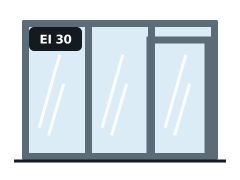
Light, modern aluminium framing tested for fire.
Learn more →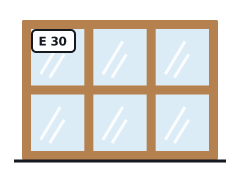
Hardwood screens and borrowed lights tested for fire.
Learn more →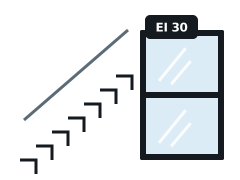
Glazed screens and doors on protected stairs, lobbies and corridors.
Learn more →Tell us the rating required, sizes and building type, or ask us to find out.
A survey in Leytonstone confirms sizes, access, existing evidence and fixing conditions.
Your quote lists each item with its classification and the evidence it relies on.
Work is completed to the manufacturer's details and documented for your records.
Send sizes, photos of any glass marks or your inspection report and we will come back with the right tested system.